

Glycol-modified PET · HDT 70 °C
PETG 3D printing
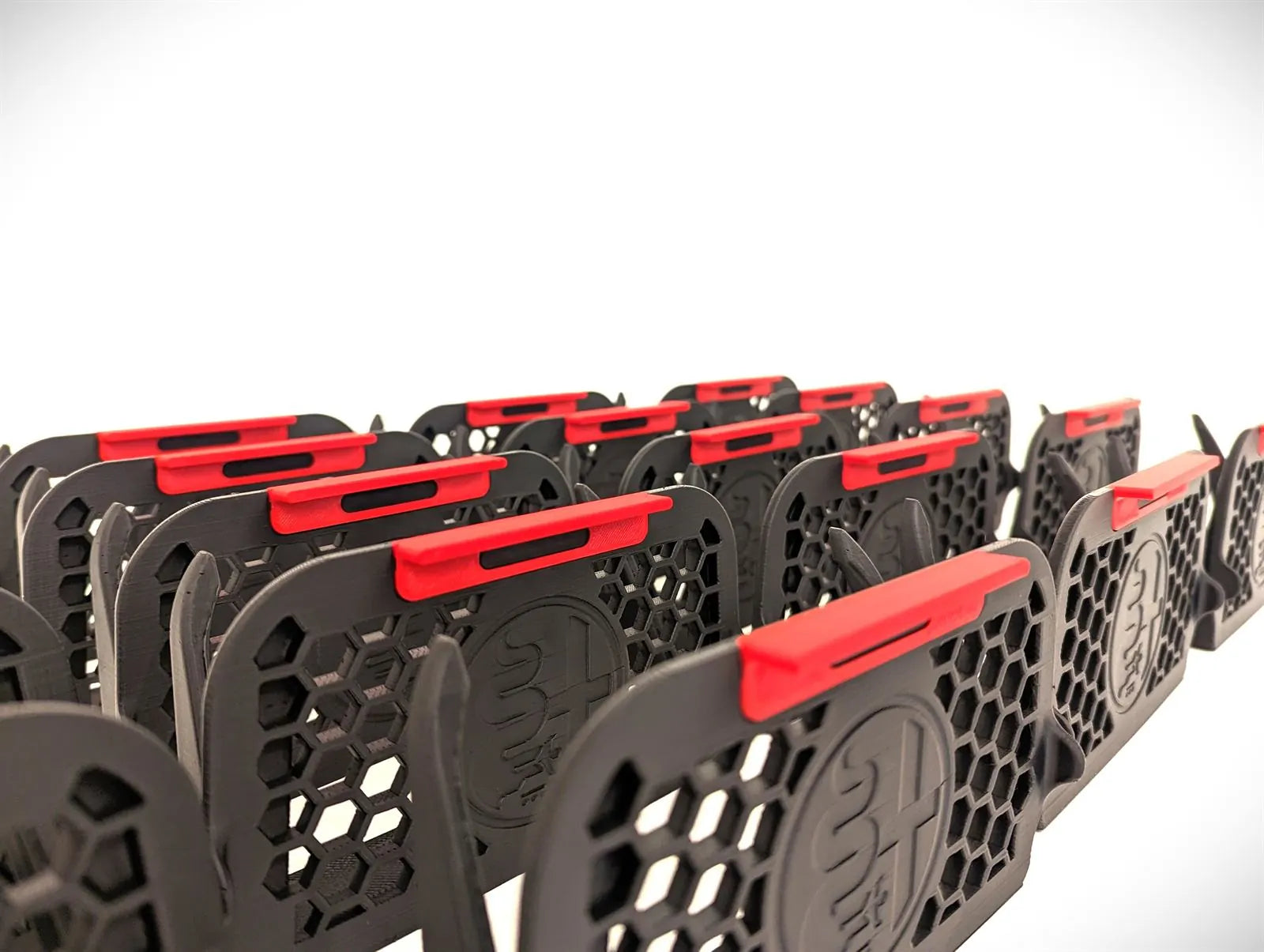
The most common serial-production compromise: tougher than PLA, easier than ABS, decent chemical resistance.
What PETG is used for
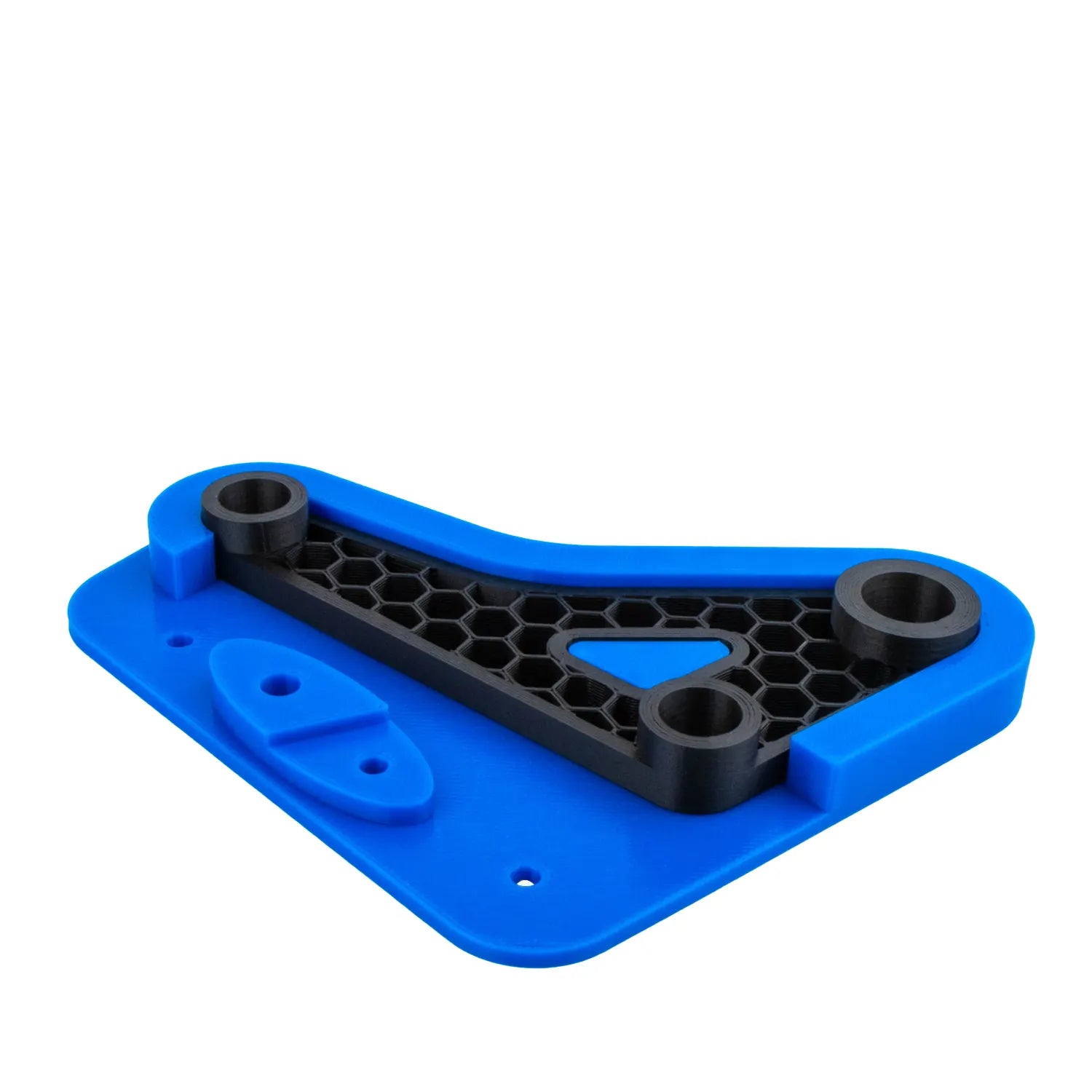
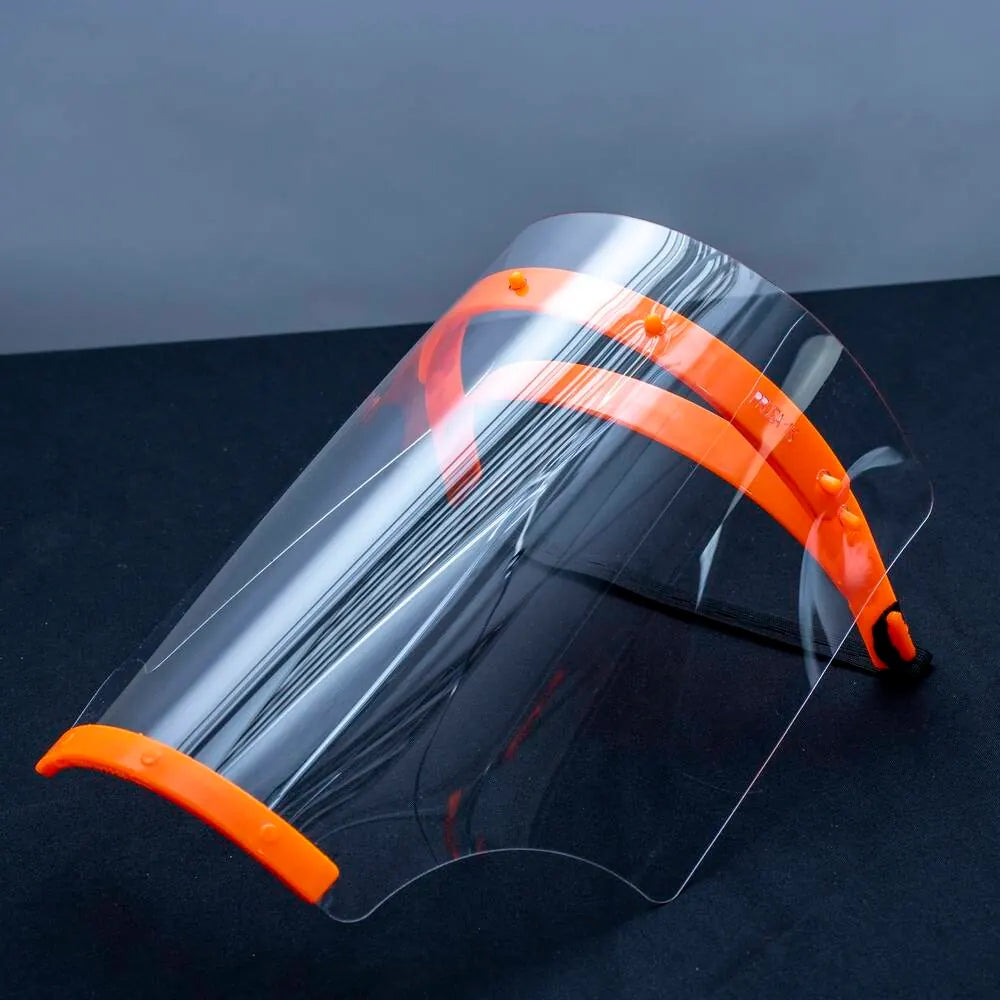
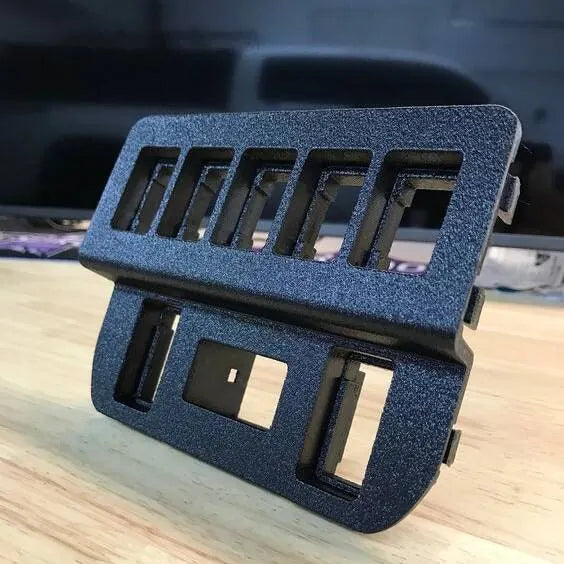
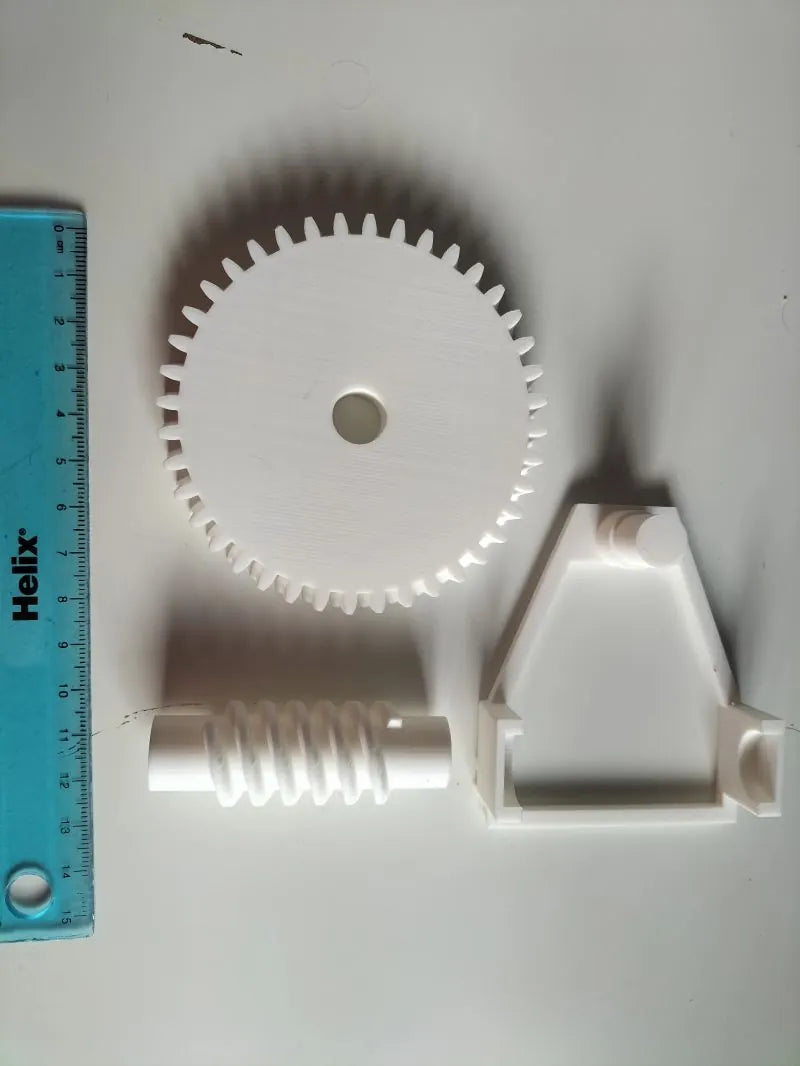
Functional parts, housings, brackets, short runs that have to last on the shop floor.
What to watch out for
It scratches more easily than PC and does not love long periods of direct sun.
Serial batch: about two production days
Reference values
- Mechanical strength
- 70 / 100
- Heat resistance
- 58 / 100
- UV resistance
- 48 / 100
- Flexibility
- 46 / 100
- HDT
- 70 °C
Scores from 0 to 100 to guide the choice. They do not replace a test on the real part.
FAQ
PETG: common questions
01When should you use PETG in 3D printing?
The most common serial-production compromise: tougher than PLA, easier than ABS, decent chemical resistance. Typical uses: functional parts, housings, brackets, short runs that have to last on the shop floor.
02What are the limits of PETG?
It scratches more easily than PC and does not love long periods of direct sun.
03What temperature can 3D printed PETG take?
The indicative heat deflection temperature (HDT) is 70 °C. It is a reference value for the filament: real behavior depends on geometry, load and print settings.
04Can you produce serial batches in PETG?
Yes. The batch runs with the same file and the same parameters, with about two production days plus shipping. From 10 parts we apply −20%, from 30 parts −40%, and from 100 parts a custom price.
Got a part to print in PETG?
Upload the file to the quote tool or ask for a batch: if the material is not the right one, we tell you before printing.