
FDM
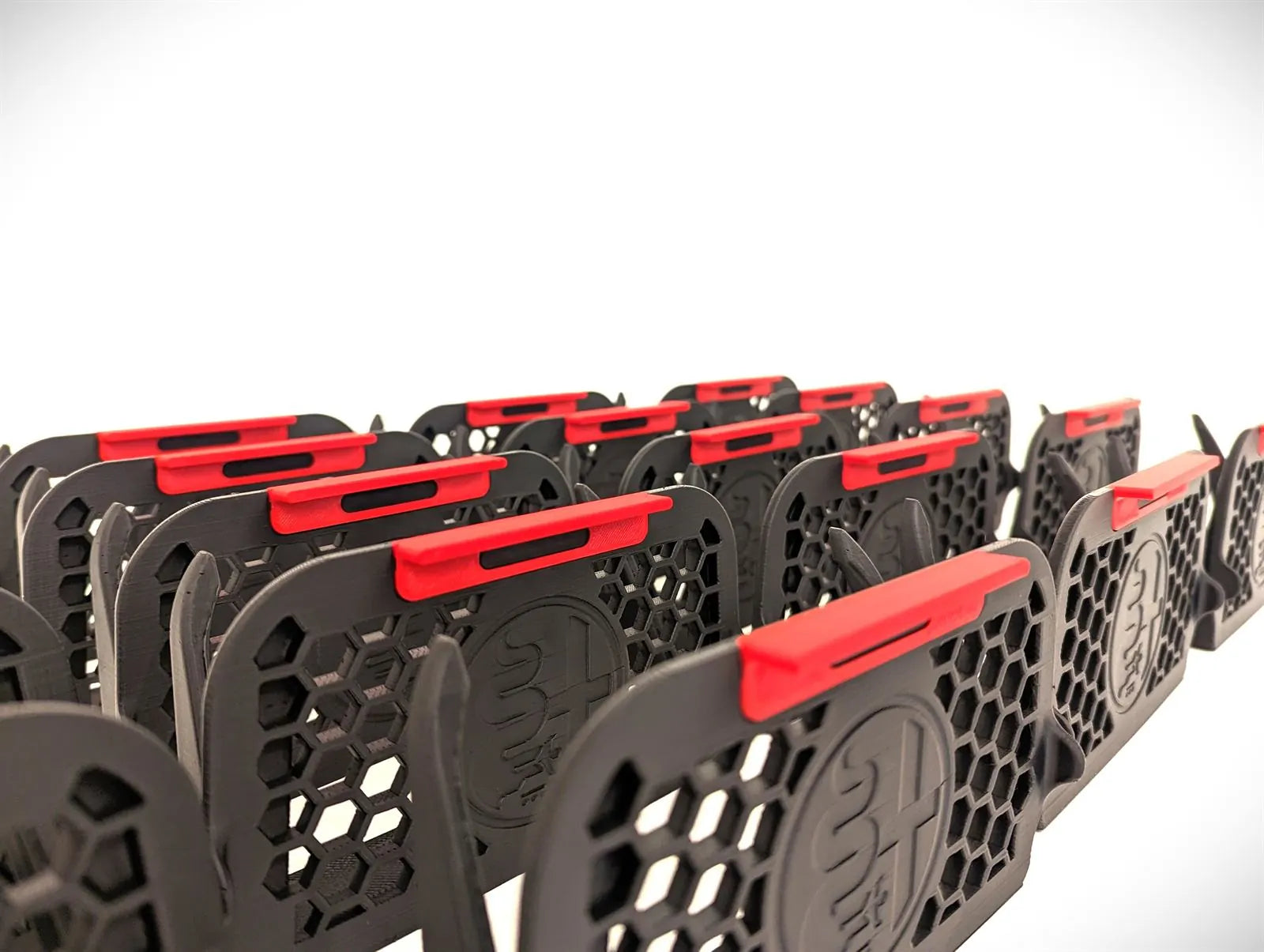
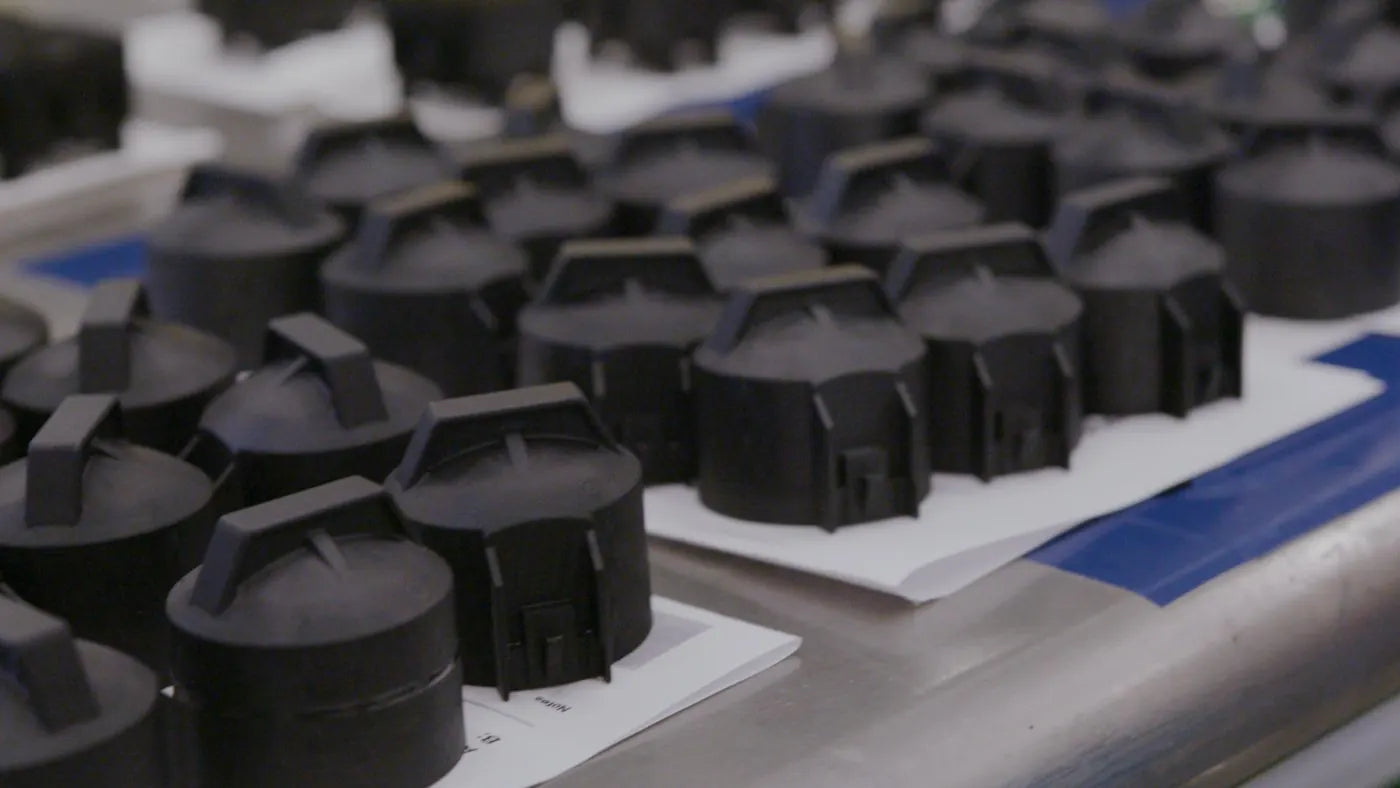
Functional component batch
Repeated parts, same orientation and same material, ready to assemble without a dedicated mold.
Short and medium runs, no tooling
When a mold costs too much and tooling takes weeks, FDM 3D printing produces short and medium runs of functional parts in days, not months.
RICREO is an FDM 3D printing service for companies that need functional parts in short or medium runs. No molds and no injection minimums: the file becomes a repeatable batch, with the same material and the same parameters.
Build volume is 256 × 256 × 260 mm. Volume tiers are progressive: −20% from 10 parts, −40% from 30, and custom B2B pricing from 100 parts. The unit price comes from the geometry, not from a generic catalog.
We work as a contract manufacturer for engineering teams, machine builders and companies launching a product: one-off batches, reorders from the same file, variants of the same part and pre-series before the mold. We manufacture in Savona and ship across Italy and Europe.
Batches without molds
Startup cost stays on the part, not on tooling worth thousands of euros.
A file revision goes into the next batch without cutting a new mold.
Print only what you need and keep inventory low.
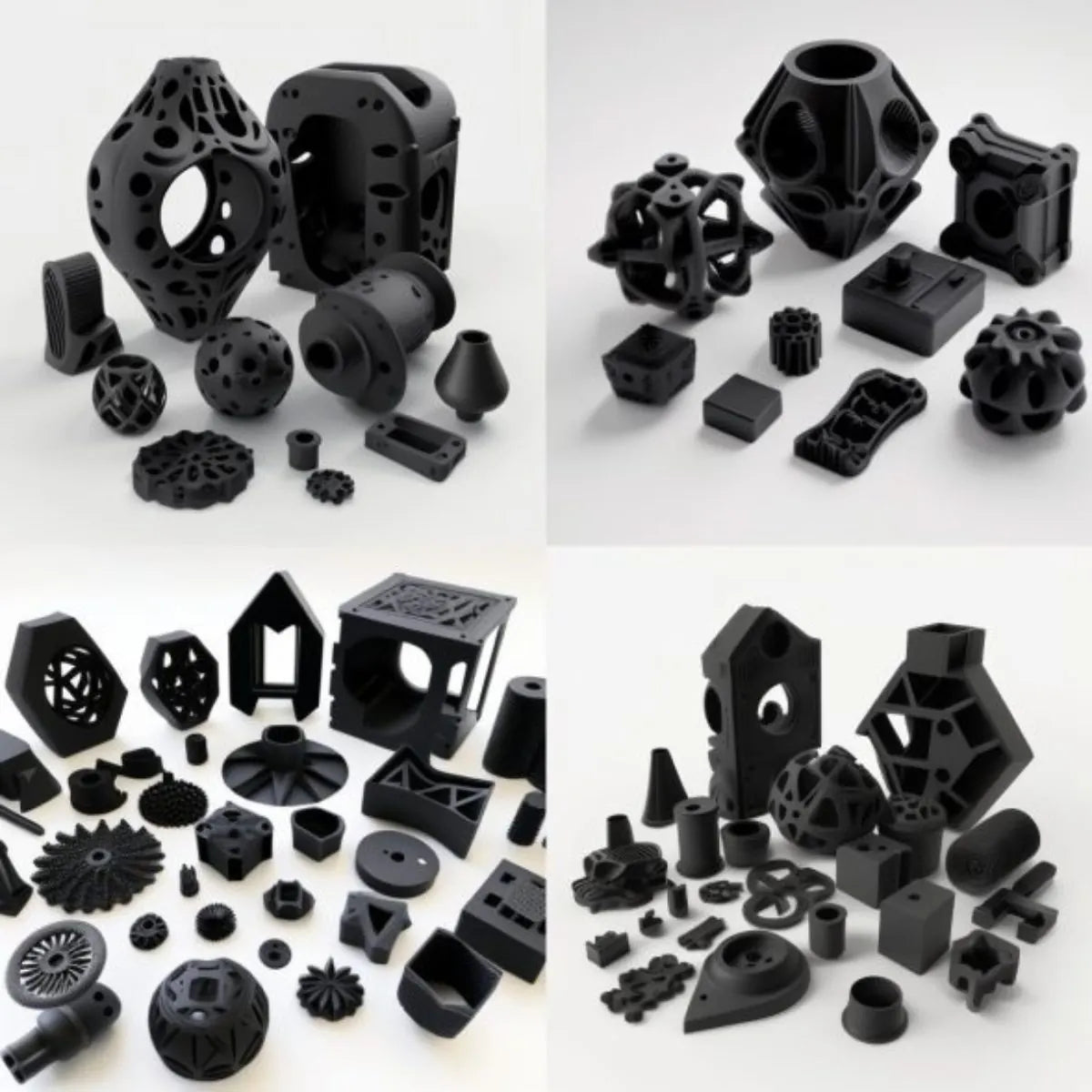
Channels, light weighting and organic shapes stay inside material and machine time.
From the print farm
Applications
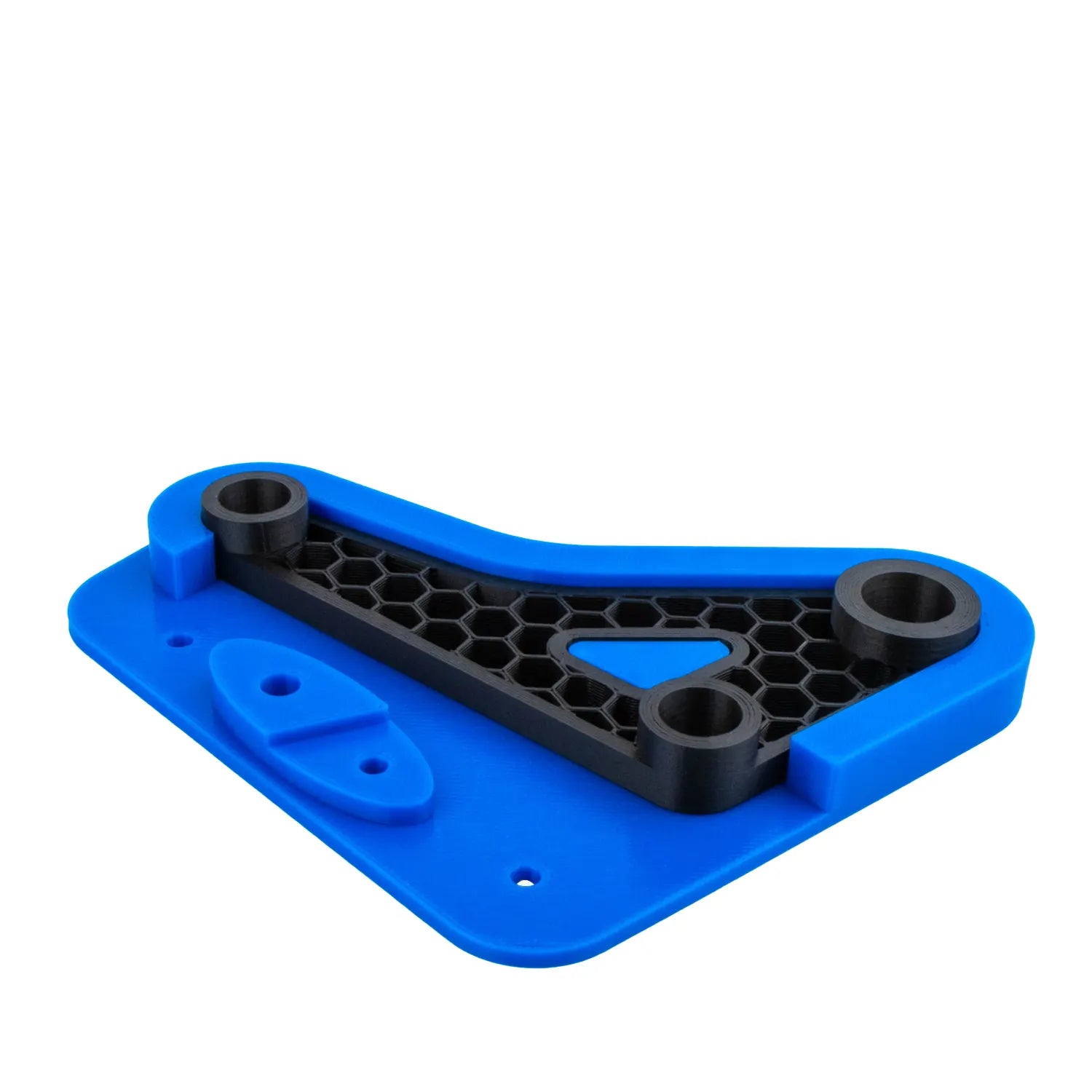
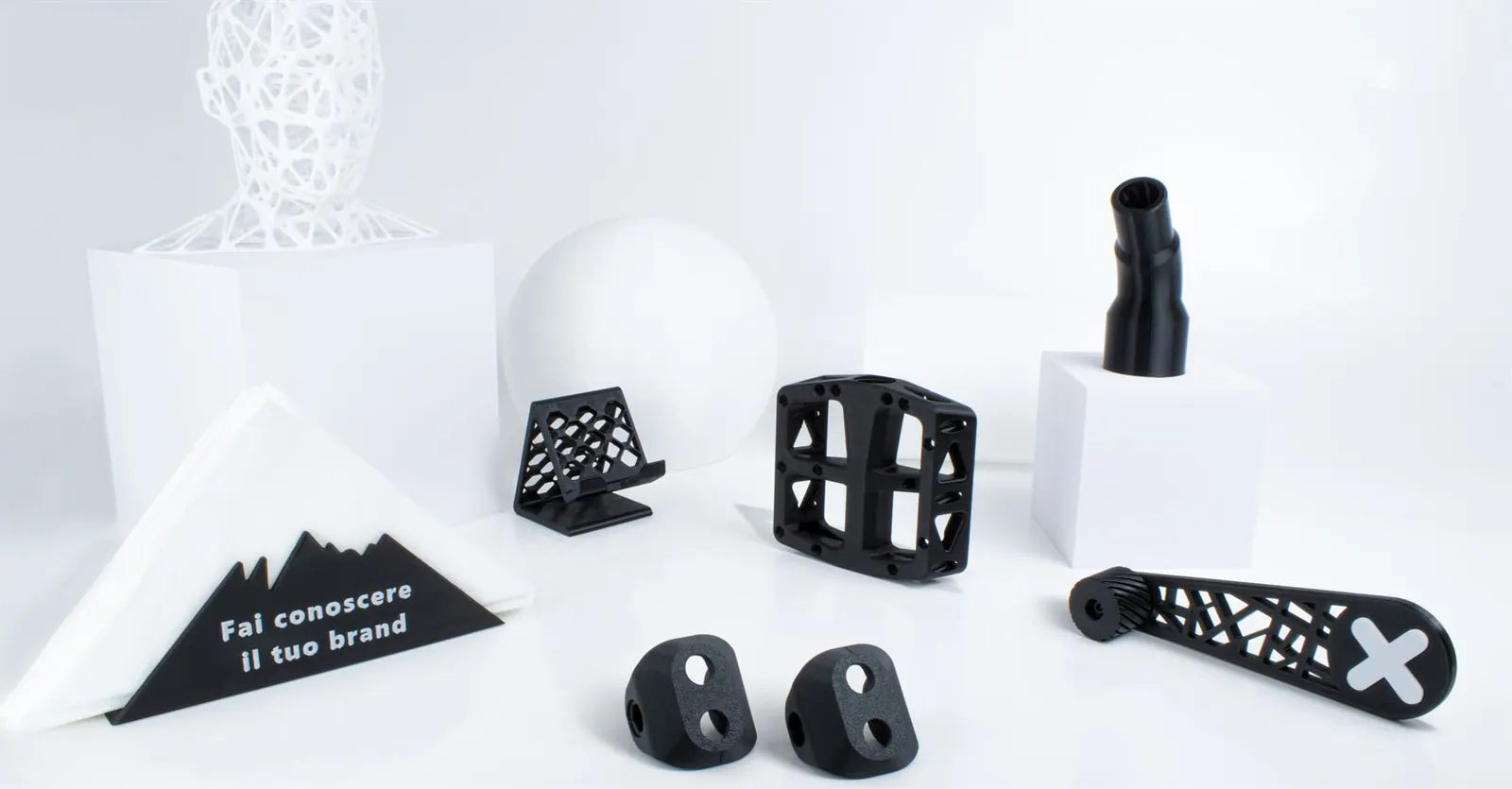
Electronics enclosures, technical covers and custom boxes, with holes and snap fits built into the model.
Fasteners and mounts repeated in dozens or hundreds of copies, in PETG, nylon or PC.
Parts for machines and lines, including discontinued ones, delivered in batches instead of one at a time.
A bridge batch to reach the line or the market while the mold is being built.
The same assembly jig for every workstation, identical from one station to the next.
Stands, holders and branded components, produced in series for shops, trade fairs and offices.
Before the mold
It pays off as long as the mold cost, spread over the parts, exceeds the unit price difference. The break-even quantity is roughly: mold cost ÷ (FDM part price − molded part price). With a €5,000 mold, an €8 FDM part and a €1 molded part, break-even lands around 715 parts.
100parts
Custom B2B price
An estimate to frame the choice. The unit price is calculated from the file and checked again before checkout.
| Item | RICREO FDM | Injection molding |
|---|---|---|
| Mold cost | €0 | from 3,300 € |
| Mold per part | €0 | €33 |
| Production start | 24–48 hours on standard materials | 6–12 weeks |
| Volume discount | Custom B2B price | After the mold |
| Design change | In the next batch | New tooling |
| Technology | Typical quantity | Tooling | First parts | Design change |
|---|---|---|---|---|
| FDM 3D printing | 10 to a few thousand | None | 24–48 h on standard materials | New file, no cost |
| Injection molding | A few thousand and up | Mold worth thousands of euros | Weeks for the mold | Mold rework or a new mold |
| Vacuum casting | 20 to 200 | Short-life silicone mold | 2–4 weeks | New master and new mold |
| CNC machining | 1 to 100 | CAM program and fixturing | A few days | New CAM program |
Indicative values for a medium-size plastic part: check them on your own part. We work in FDM only, and if the numbers point to a mold we will tell you.
Guide: 3D printing or injection molding Materials for the run
Process
01
You upload STL, OBJ or 3MF to the quote tool, or send us the STEP for custom batches, with material and quantity.
02
The quote tool reads the geometry. The final price is checked again before checkout.
03
We run the batch with fixed parameters so parts stay consistent.
04
We check the parts and ship across Italy and Europe, or prepare pickup in Savona.
Case studies
FDM
Repeated parts, same orientation and same material, ready to assemble without a dedicated mold.
FAQ
From 10 parts up to a few thousand per order. FDM pays off as long as the mold cost, spread over the parts, outweighs the difference in unit price. Above 2,500 parts we check with you whether injection molding becomes cheaper, and we tell you.
The price depends on part volume, material and machine time, not on a price list. Upload the STL, OBJ or 3MF file to the quote tool and see the unit price. On batches we apply −20% from 10 parts, −40% from 30, and custom pricing from 100 parts.
Yes, within FDM tolerances. The batch runs with the same file, the same material and the same parameters, so orientation, walls and infill do not change from part to part. Mark the critical dimensions on the drawing: we check them before shipping.
Yes. A reorder starts from the same file and the same parameters as the previous order. If the part changes revision in the meantime, the new version goes into the next batch with no tooling cost and no stock to scrap.
Yes, it is a typical use. An FDM batch gets you onto the line or the market while the mold is being built, and lets you fix the design before it is locked into steel.
PETG for most functional parts, ASA for outdoor and sun exposure, nylon for wear, clips and hinges, polycarbonate for heat and load, TPU for seals and flexible parts. PLA stays for visual parts and light jigs.
For medium PLA, PETG and ABS we estimate about two production days, plus shipping. Nylon, ASA and polycarbonate usually need about seven days. Shipping in Italy is 24/48 hours, and about 48 hours in Europe.
Repeatable FDM parts, from dozens to thousands of units, without paying for a mold.