
Acrylonitrile butadiene styrene · HDT 95 °C
ABS 3D printing
Tough and workable after printing. Suited to indoor mechanical parts that take impact and some heat.
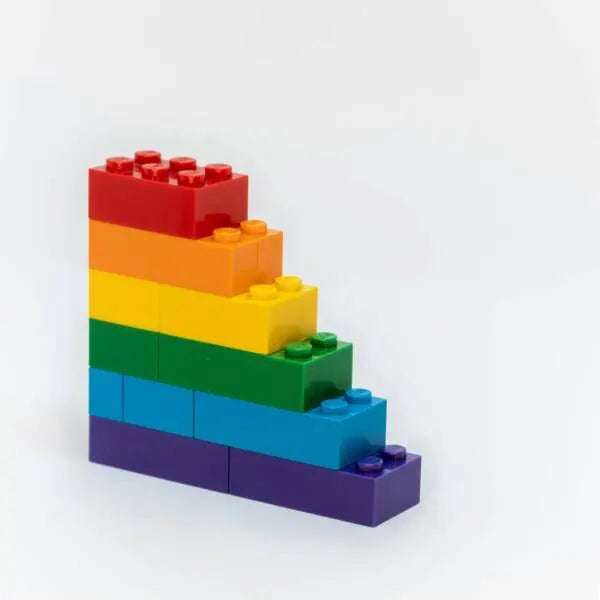
What ABS is used for
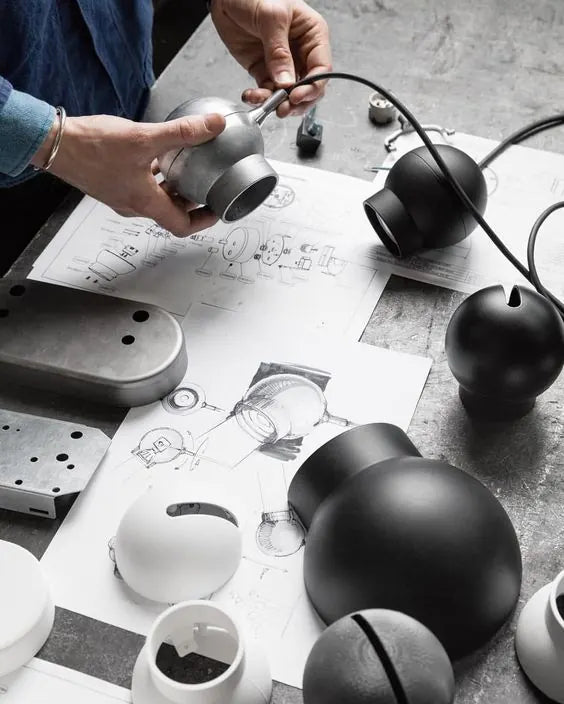
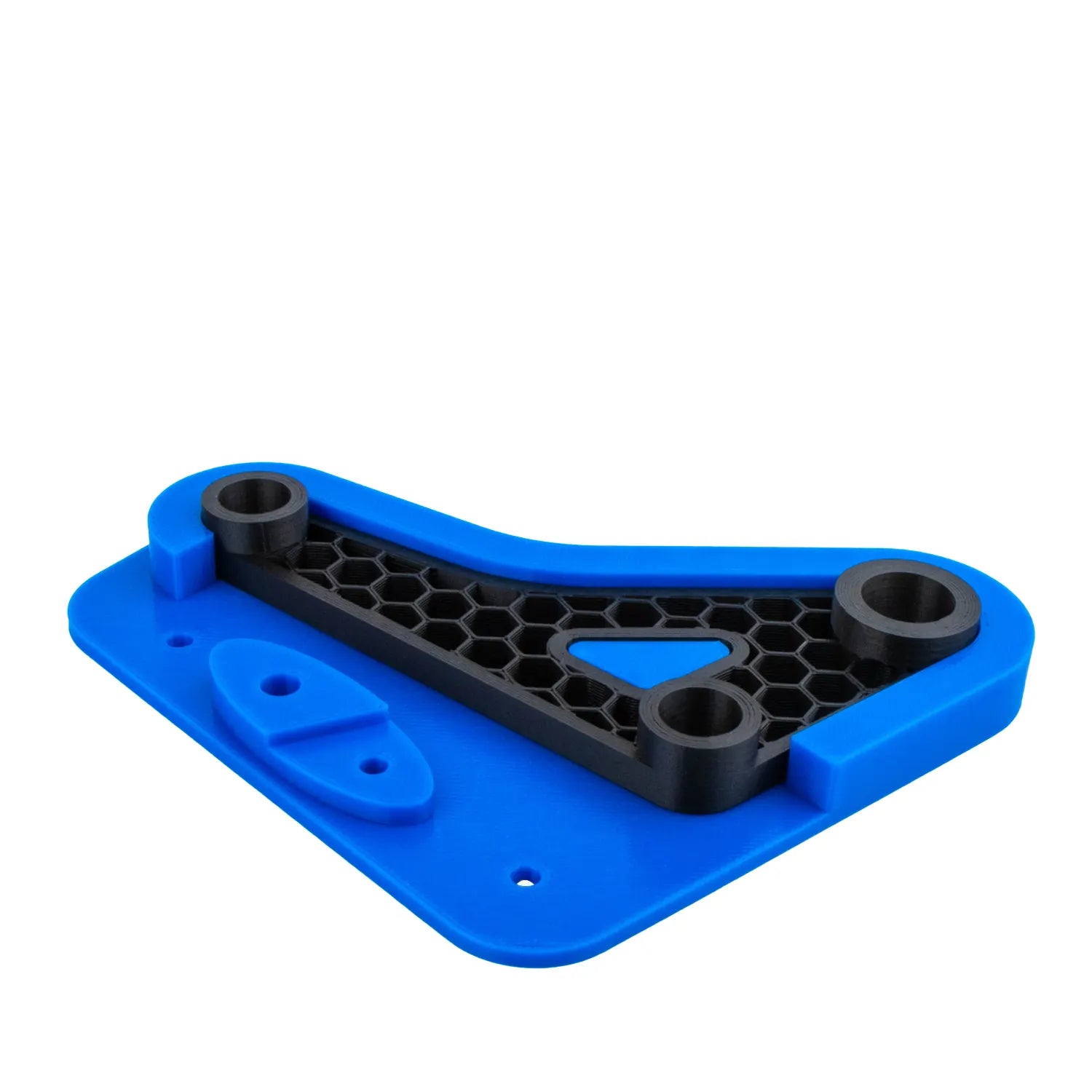
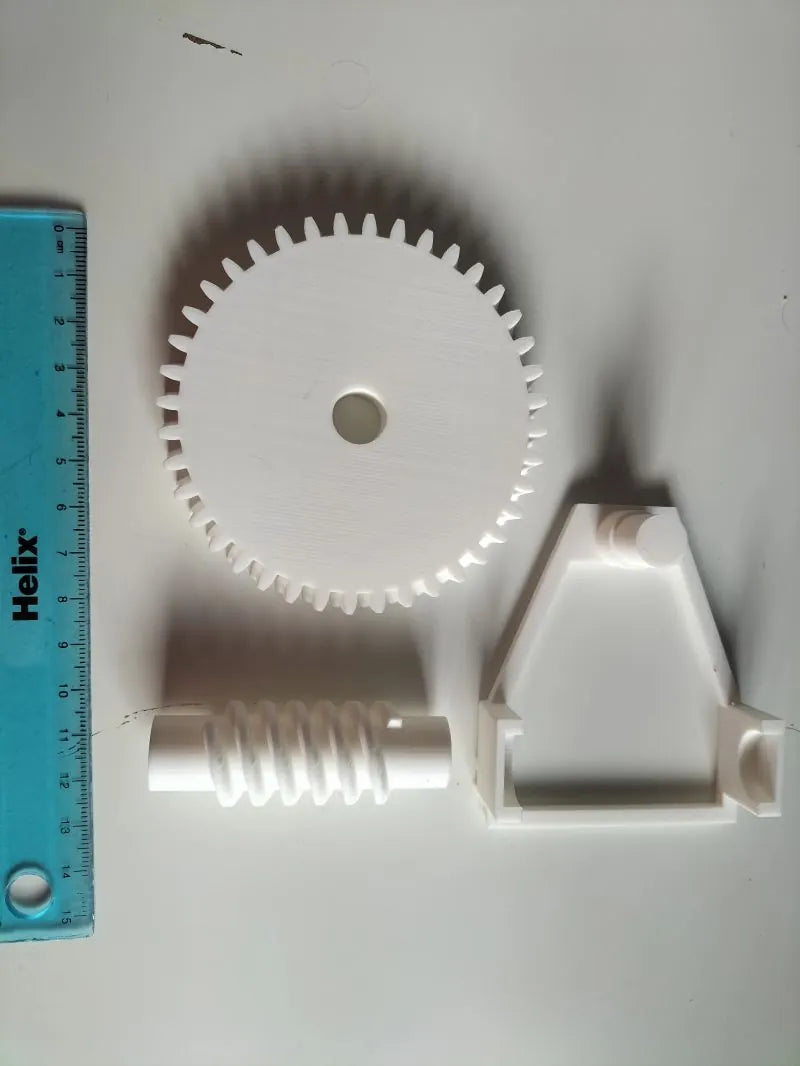
Housings, brackets, functional prototypes, parts that will be sanded or bonded.
What to watch out for
Sunlight makes it brittle. For outdoors, move to ASA.
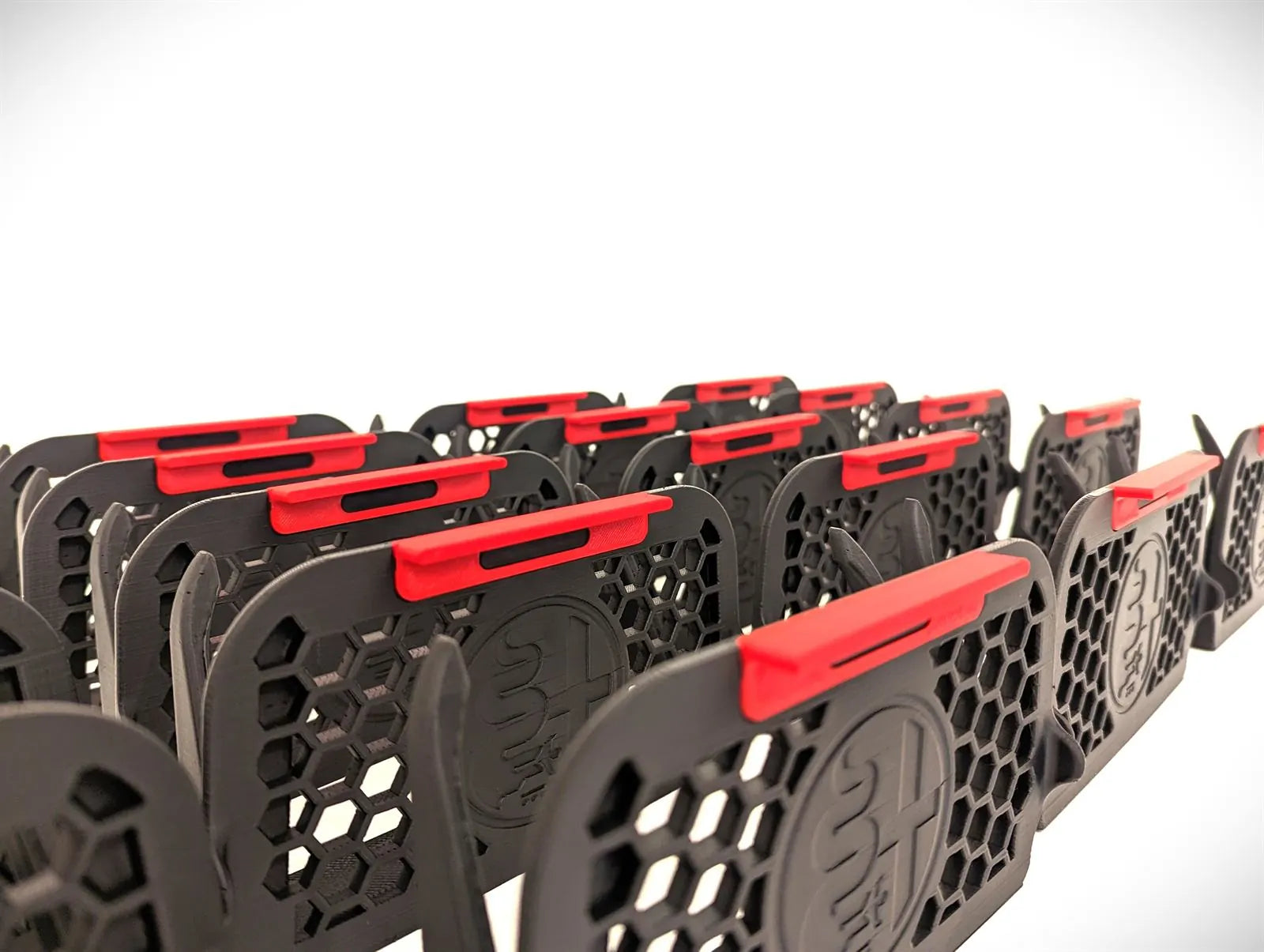
Serial batch: about two production days
Reference values
- Mechanical strength
- 74 / 100
- Heat resistance
- 72 / 100
- UV resistance
- 34 / 100
- Flexibility
- 40 / 100
- HDT
- 95 °C
Scores from 0 to 100 to guide the choice. They do not replace a test on the real part.
FAQ
ABS: common questions
01When should you use ABS in 3D printing?
Tough and workable after printing. Suited to indoor mechanical parts that take impact and some heat. Typical uses: housings, brackets, functional prototypes, parts that will be sanded or bonded.
02What are the limits of ABS?
Sunlight makes it brittle. For outdoors, move to ASA.
03What temperature can 3D printed ABS take?
The indicative heat deflection temperature (HDT) is 95 °C. It is a reference value for the filament: real behavior depends on geometry, load and print settings.
04Can you produce serial batches in ABS?
Yes. The batch runs with the same file and the same parameters, with about two production days plus shipping. From 10 parts we apply −20%, from 30 parts −40%, and from 100 parts a custom price.
Got a part to print in ABS?
Upload the file to the quote tool or ask for a batch: if the material is not the right one, we tell you before printing.